Research
Research in cognitive neuroscience of aging has advanced rapidly in recent years. Although brain aging is accompanied by global and regional structural atrophy and functional decline, older adults can still maintain cognitive function through mechanisms such as compensation and plasticity. We use perceptual learning and brain plasticity paradigms to study plasticity in the cognitive and perceptual systems of older adults and to examine the relationships among aging, learning, and brain plasticity. Our main research questions include:
- How does aging affect cognitive and brain function?
- Can age-related decline in cognitive and perceptual functions be altered through external stimulation or cognitive training?
Topic 1: Aging and Plasticity of the Visual Perceptual System
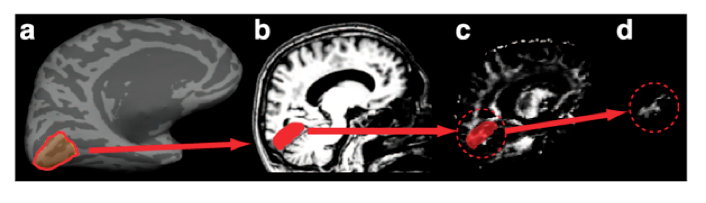
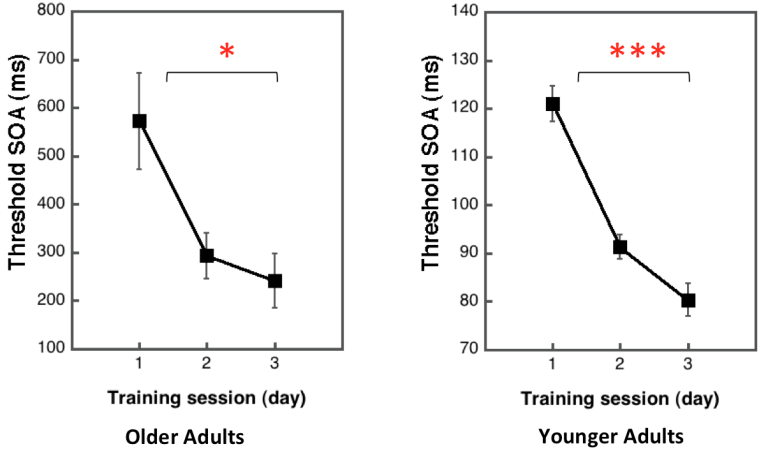
Visual perceptual learning refers to long-term changes in the perceptual system produced through repeated practice or perceptual experience, and is widely regarded as evidence that the adult human visual system retains plasticity. We found that even older adults with cognitive decline can improve impaired perceptual and cognitive functions through long-term training. These changes are associated with alterations in visual cortical structure, decline in inhibitory information processing, and regulation by neurotransmitters.
Topic 2: Plasticity of Brain–Cerebellar Circuits in Aging
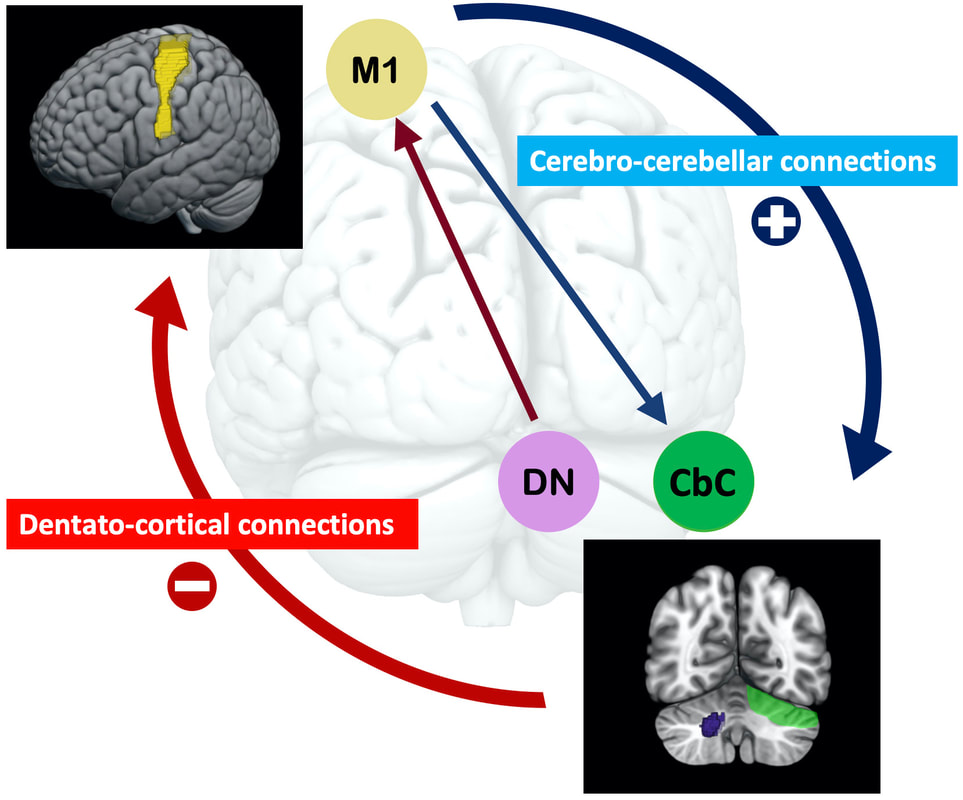
Recent studies suggest that cerebellar aging is strongly associated with cognitive decline in older adults, particularly overall response speed and individual differences during cognitive tasks, supporting a cerebellum-based perspective on cognitive aging. We therefore use cerebellar cognitive tasks and neuromodulatory stimulation to investigate how aging affects cerebellar structure, activity in brain–cerebellar cortical circuits, and neurochemical metabolites. Our goal is to characterize the relationship between cortical–cerebellar circuits and cognitive function and to examine their plasticity through cognitive training.
Topic 3: Transcranial Magnetic Stimulation and Brain Plasticity
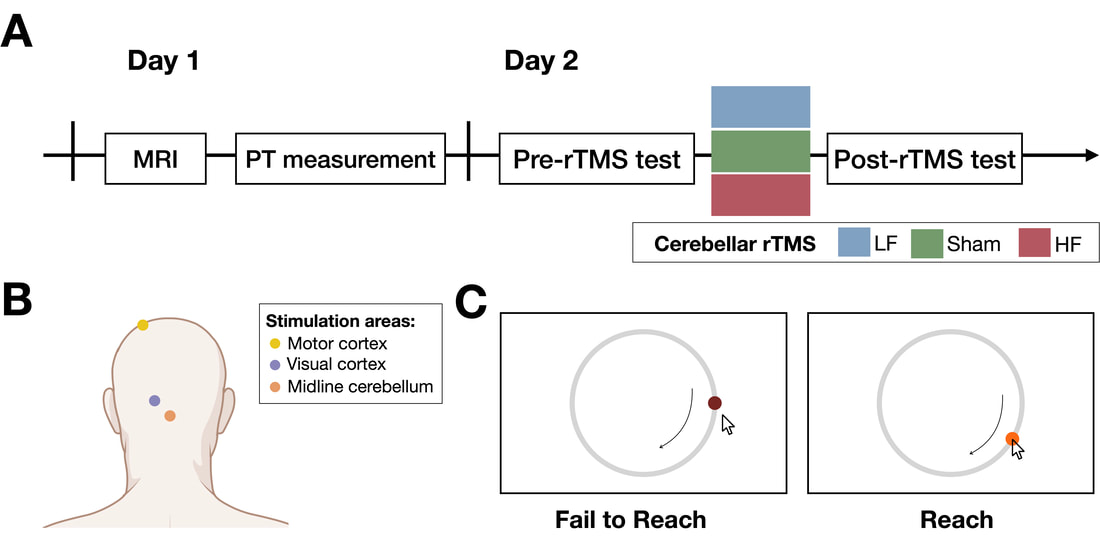
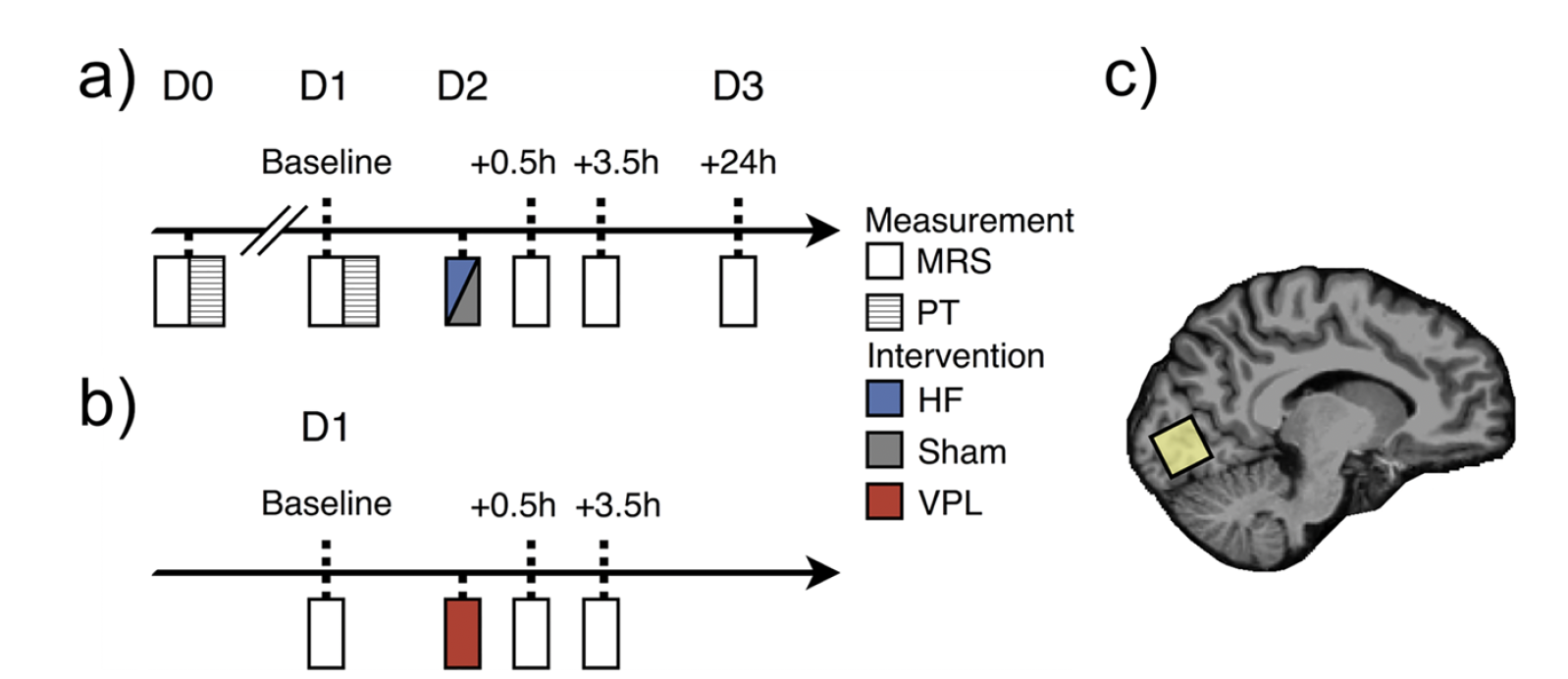
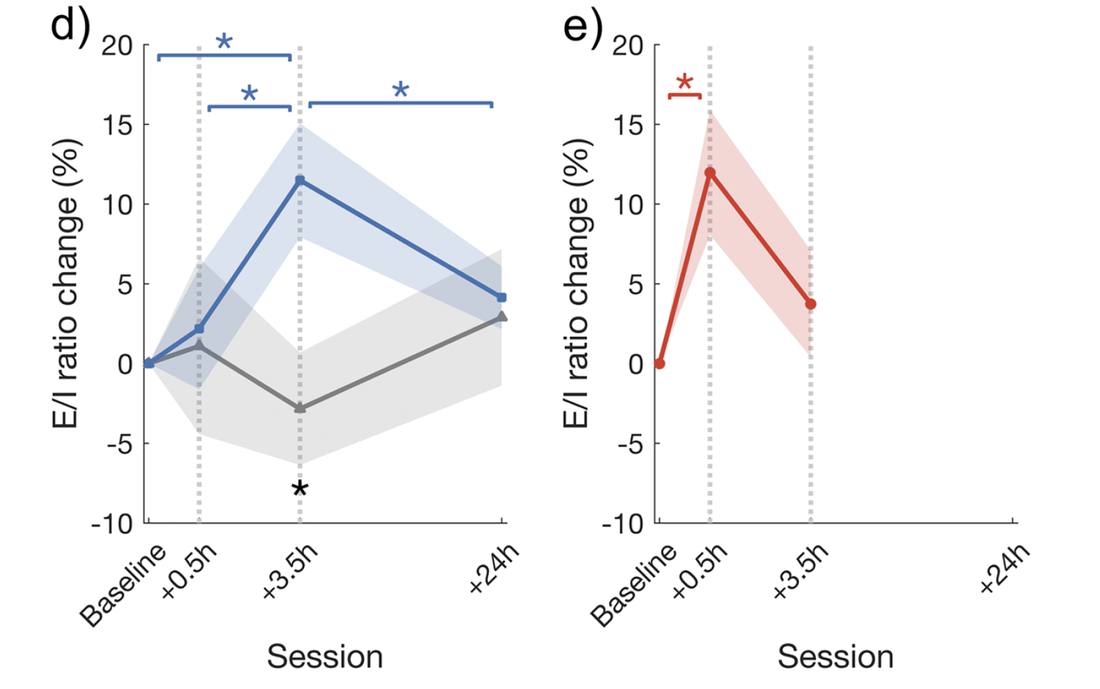
Transcranial magnetic stimulation (TMS) uses changes in electrical current in a specialized coil to generate an induced magnetic field that can noninvasively facilitate or inhibit cortical activity. Repetitive TMS (rTMS) has also been developed for clinical applications such as improving symptoms in treatment-resistant depression. Our laboratory uses the frequency-dependent effects of rTMS to examine how different stimulation frequencies influence cognitive function, perceptual learning, visuomotor learning, and motor adaptation. We combine these approaches with neuroimaging and magnetic resonance spectroscopy to investigate the neural mechanisms linking TMS and brain plasticity.
Research Methods and Tools
Psychological and behavioral experiments, retinotopic mapping, functional magnetic resonance imaging (fMRI), magnetic resonance spectroscopy (MRS), and transcranial magnetic stimulation (TMS).